BROWNSVILLE, Texas — Texas Southmost College will give licensed health care professionals the opportunity to expand their skill sets with the introduction of its Medical Aesthetics Injector Certificate program.
Medical aesthetics is a branch of medicine that uses clinical procedures and products to improve appearance and address signs of aging.
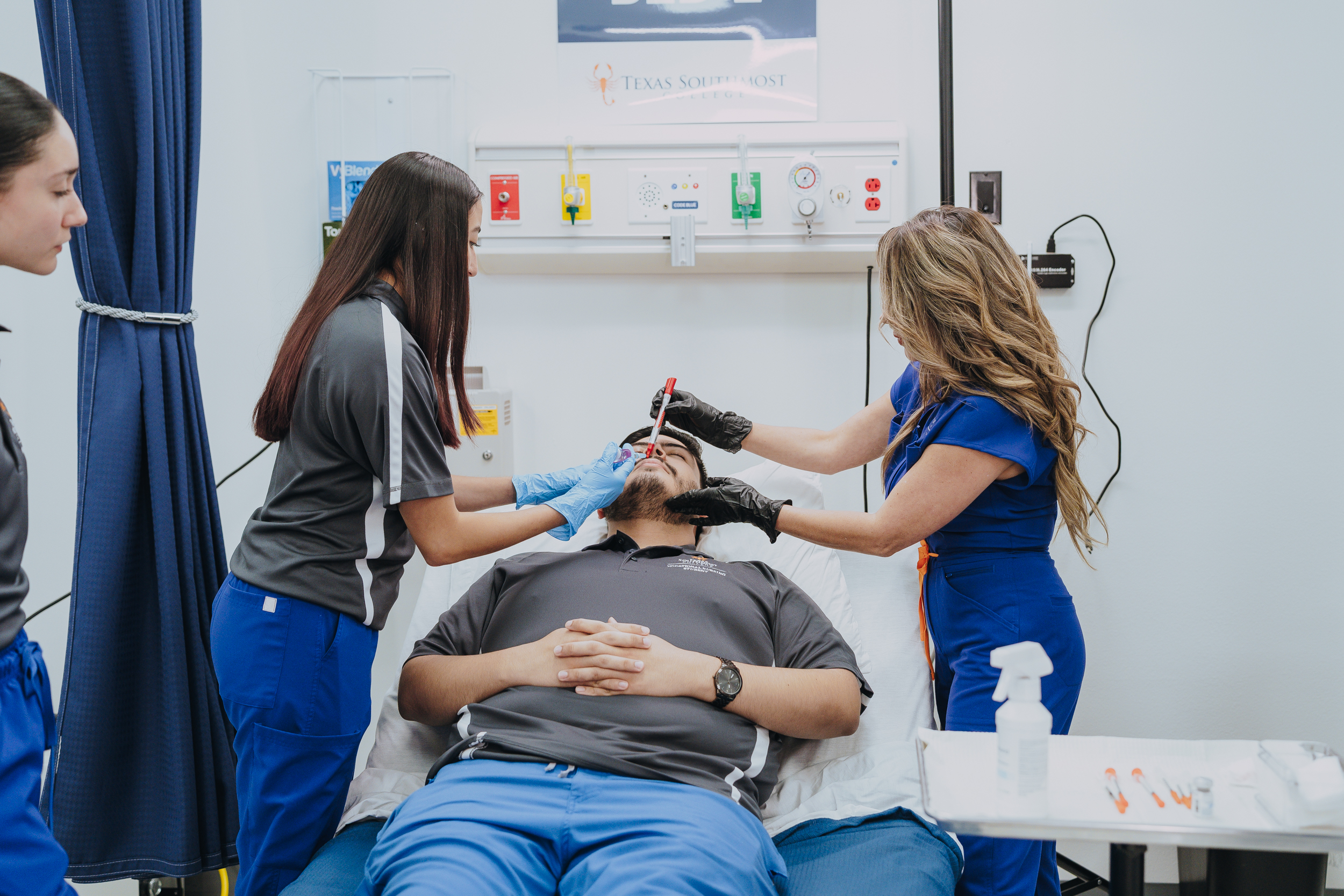
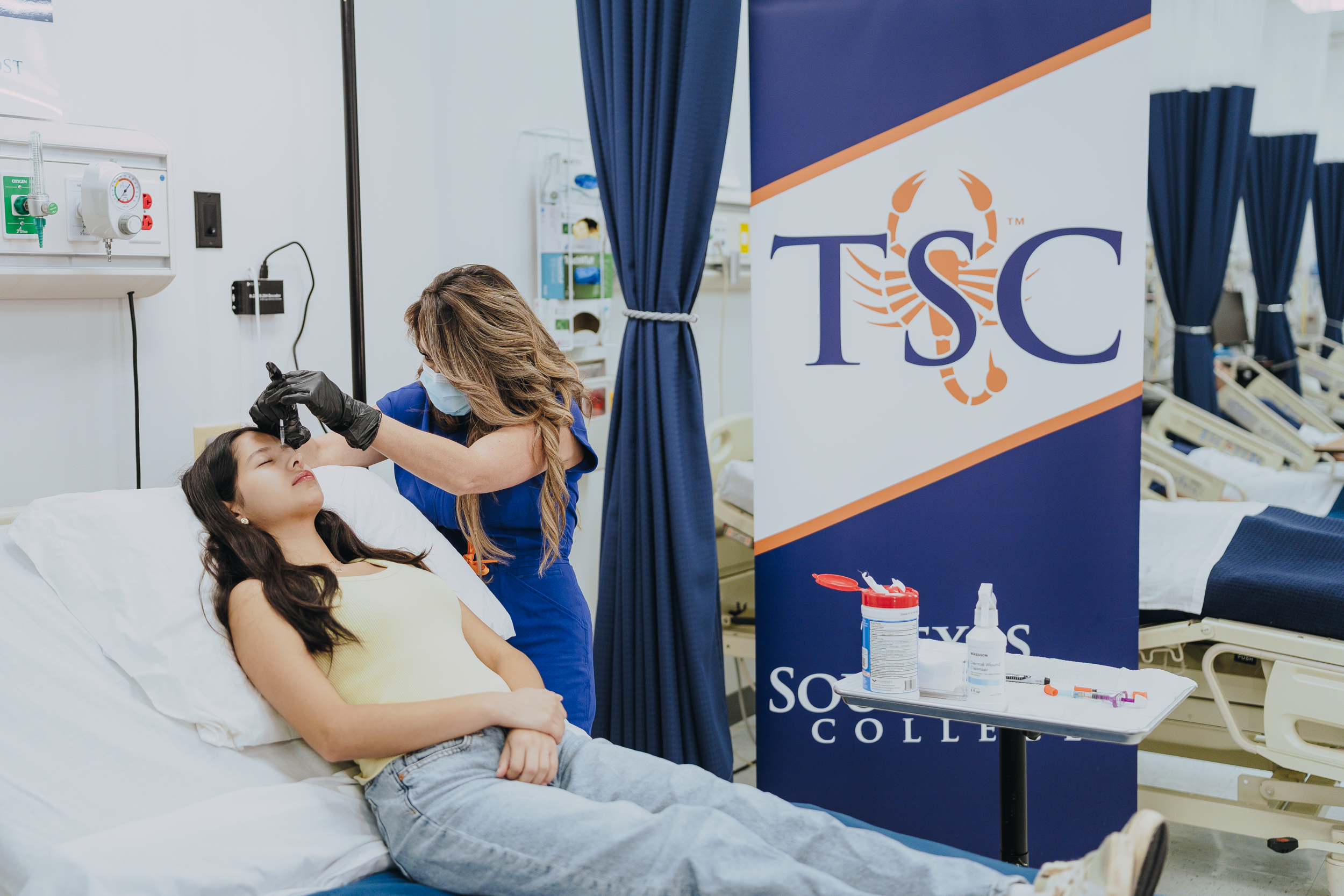
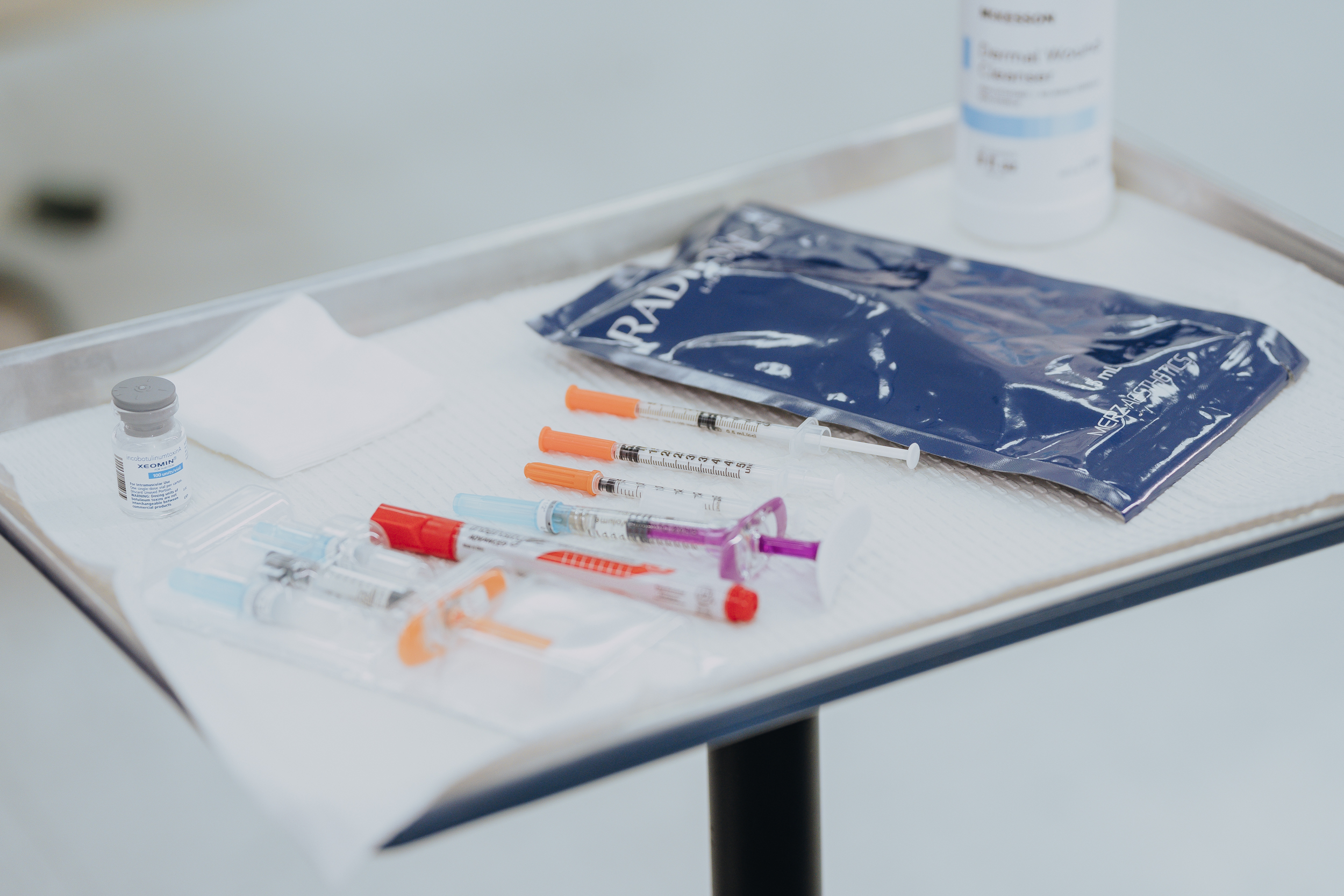
The program will begin offering a 16-hour course in August, providing hands-on training in neurotoxins, dermal fillers, advanced injectable techniques and complication management used in aesthetic medicine.
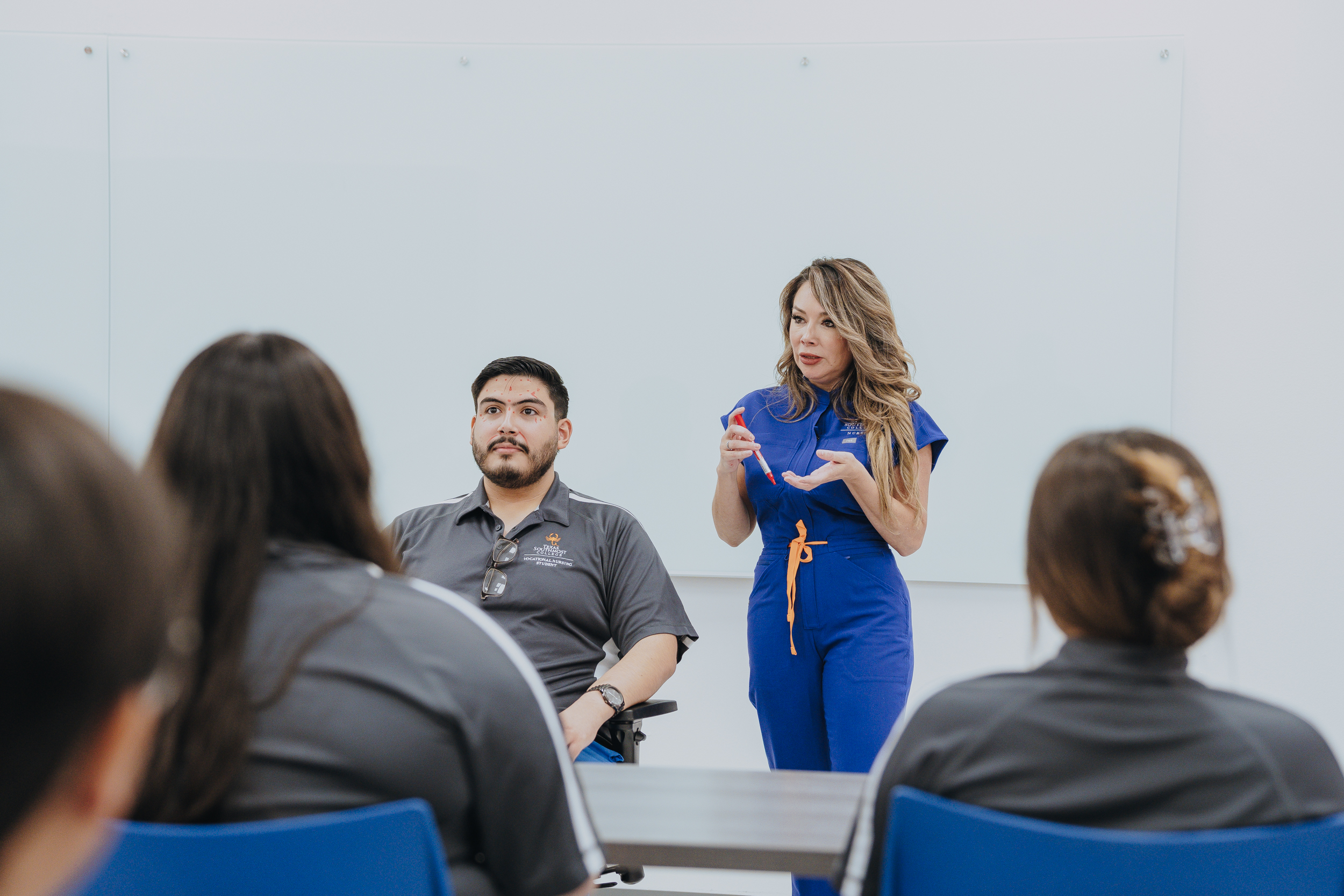
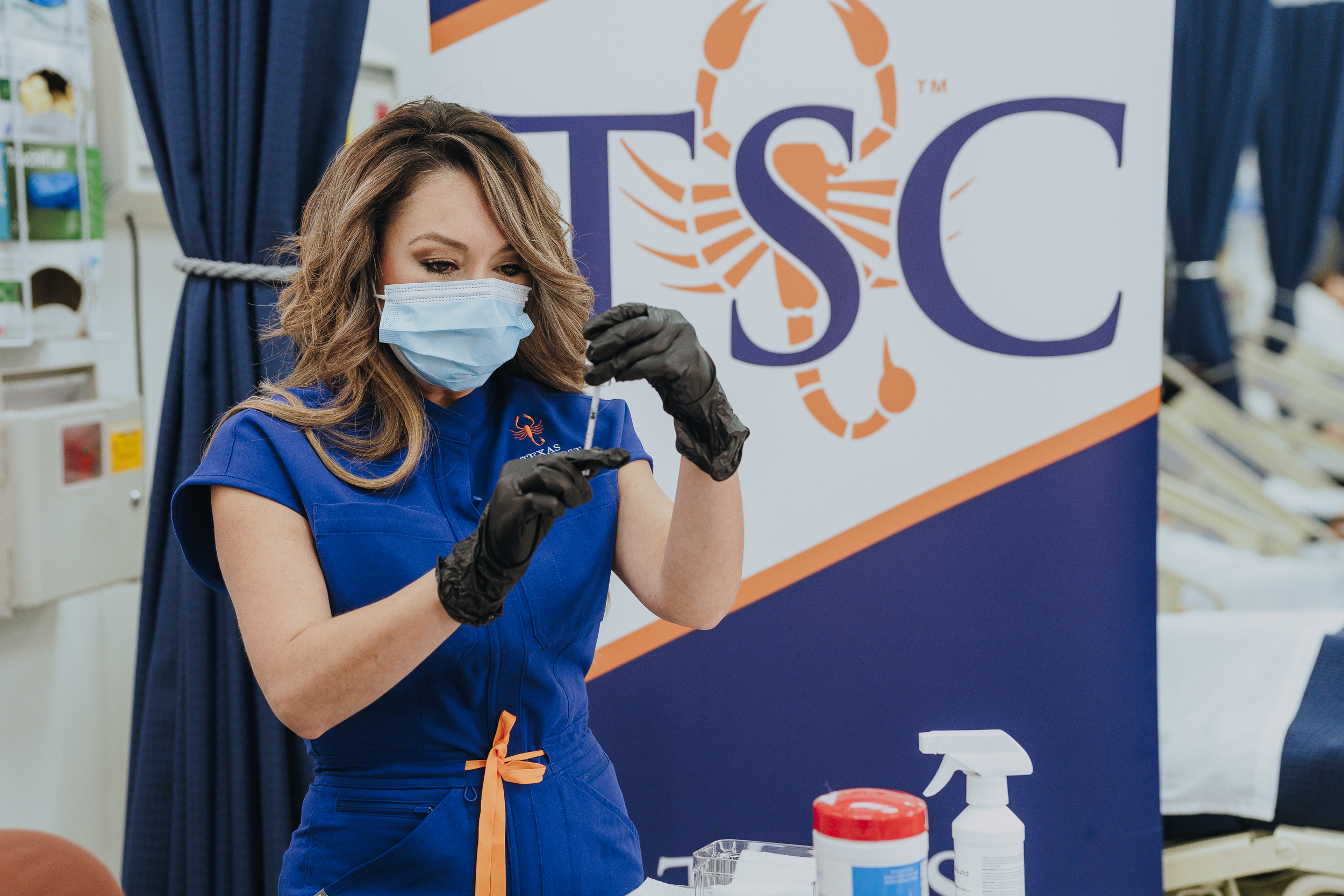
“We treat patients holistically,” said Cynthia Diaz, who has worked in the medical aesthetics industry for more than a decade and will serve as the program’s lead instructor. “When patients feel good on the outside, it’s reflected on the inside. I have seen patients come in with their confidence booming. The transformation is amazing.”
While medical aesthetics training is typically offered through private institutes or continuing education programs, it remains relatively uncommon at colleges—especially hands-on injectable training.
“I am so excited and blessed that we’re offering it at the collegiate level,” Diaz said. “It is an important time in aesthetic medicine. There’s a stigma behind it, saying aesthetic nurses are not real nurses. We are real nurses.”
Coursework will initially be offered in person, with plans to expand to a hybrid format.
“We want to expand all over the U.S. and offer these courses nationwide,” Diaz said. “If you’re in San Antonio and work full time and don’t have time to come down, you’ll be able to take online courses. We can then go there for hands-on training, or you can come here when we offer it.”
Participants will develop skills in facial anatomy, patient assessment, injection safety, treatment planning and cosmetic procedures such as lip enhancement, jawline contouring and masseter injections.
“The aesthetic industry is booming,” Diaz said. “It’s a multibillion-dollar industry. It’s the perfect time to get into it. It’s evolving daily, and it’s very important to be properly trained and continue earning continuing education hours.”
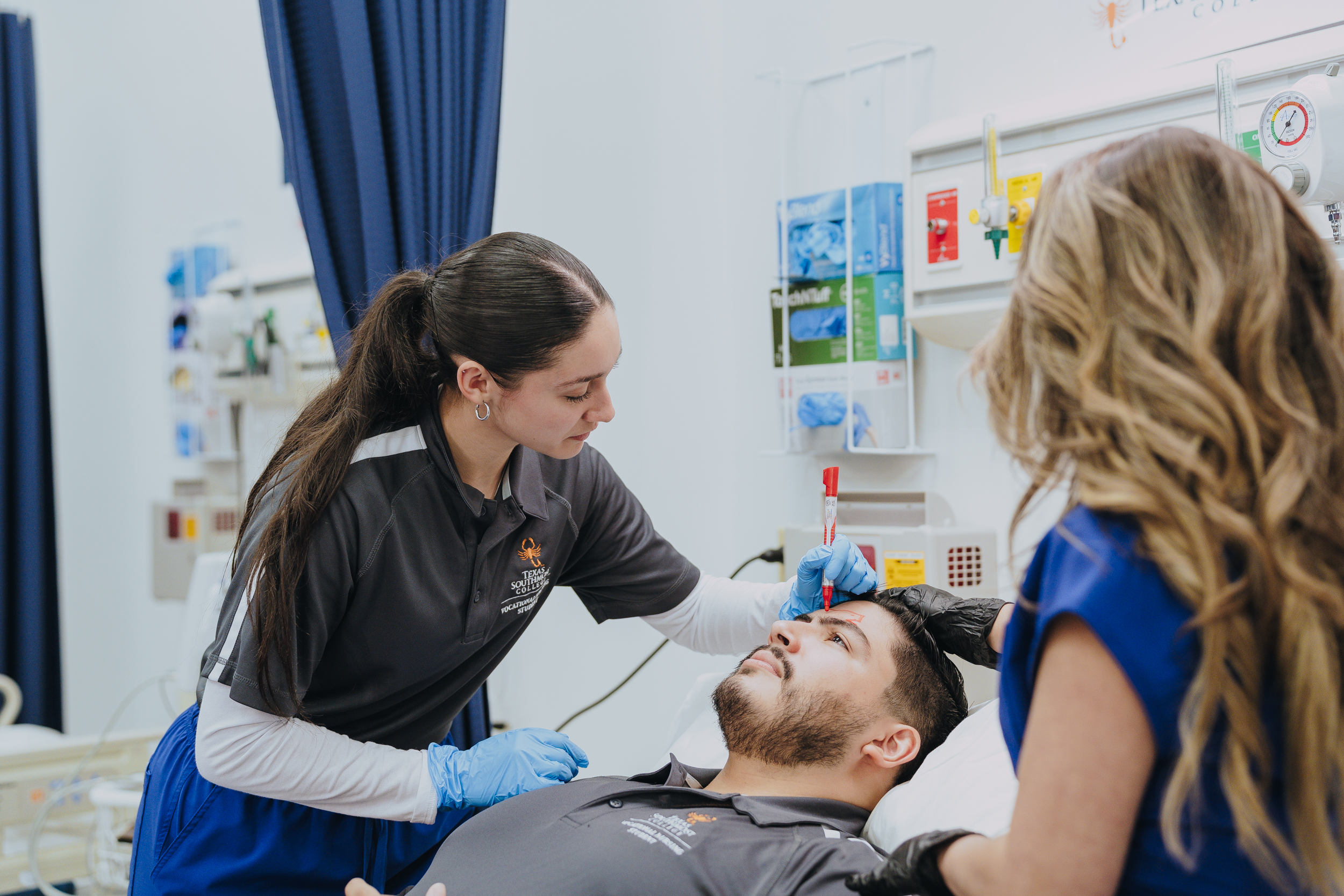
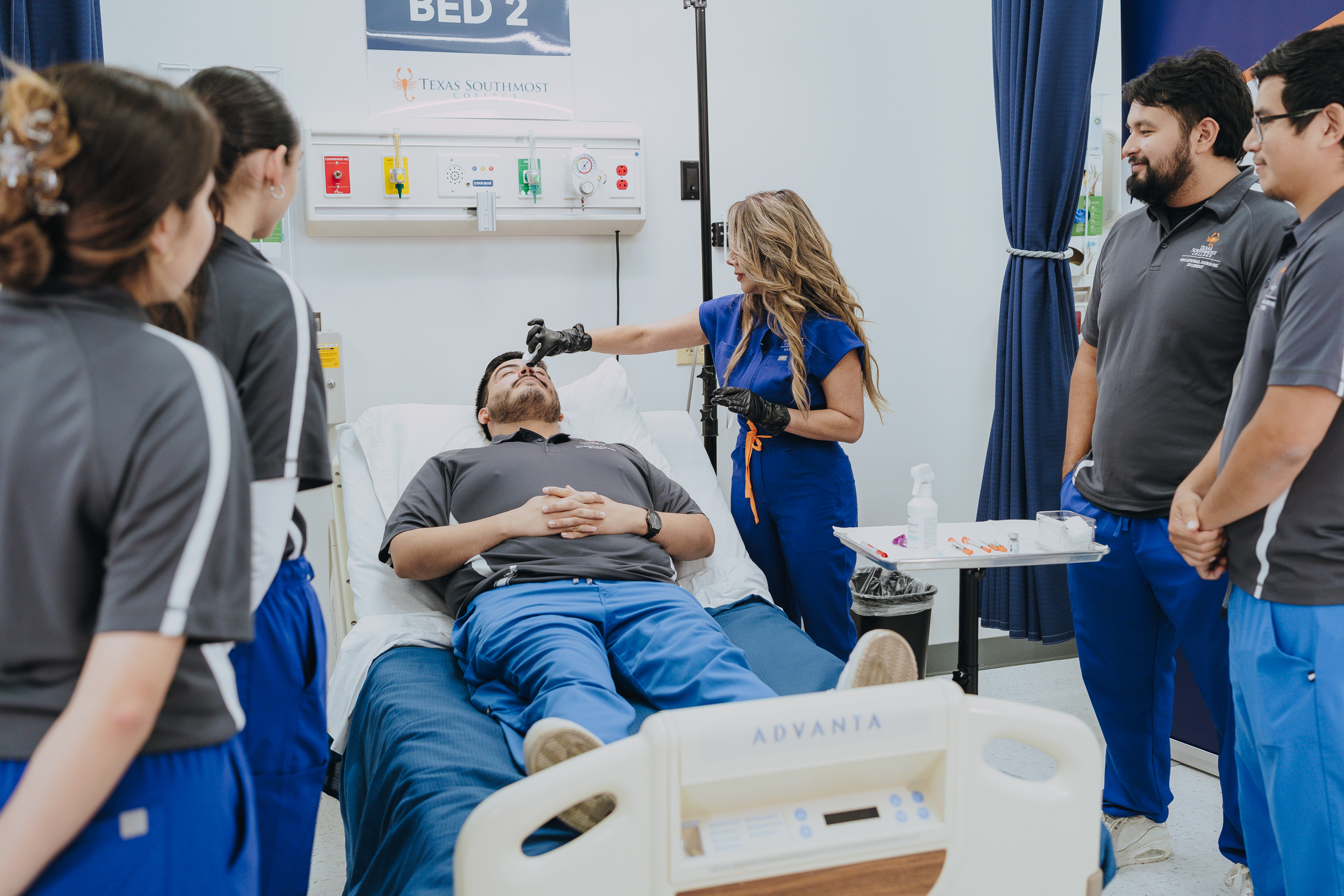
The course includes supervised hands-on training with live models and emphasizes safe practices, patient care, and complication prevention in a clinical environment.
“We take pride in hands-on training because you’re going to get the skills and be able to practice with live models,” Diaz said. “That is going to guarantee you feel confident when performing procedures on your own.”
Diaz began her health care career more than 20 years ago as a nurse, working in intensive care units, home health, hospice care, and administrative roles. Her focus shifted after taking a medical aesthetics course in New York.
“I fell in love with it,” Diaz said. “I started offering it after hours, and it eventually became my full-time job.”
Diaz has expanded her expertise internationally, training in South Korea and Switzerland with Julie Horne, a leading injector in the industry.
She later founded the Allure Medical Aesthetics Institute in McAllen, where she has trained health care professionals for the past 10 years, many of whom have gone on to open their own med spas.
As TSC’s lead medical aesthetics instructor, Diaz will develop the program’s curriculum.
“My experience has shown that we need properly trained health care professionals,” she said. “This is a medication we’re injecting into patients, and if done incorrectly, it can cause harm. We want to make sure our community is safe and that health care professionals are practicing safely.”
Diaz said she has treated patients who needed corrective procedures after receiving injections elsewhere.
“I hear it all the time,” she said. “Patients come in asking to remove lip filler. It’s very important we use FDA-approved products and know how to safely inject them.”
Medical aesthetics courses are rarely offered at the collegiate level and are more commonly found in beauty schools. Diaz said she is excited to collaborate with TSC to offer advanced medical training.
“We will have financing options, and students will earn college credit hours,” Diaz said. “If they want to work at a med spa or a doctor’s office, they can say they trained at a collegiate level and completed proper training at TSC.”
Diaz said the field offers flexible and financially rewarding opportunities.
“If you want to spend more time with your family, this gives you that flexibility,” she said. “You can be financially stable because you can earn in one day what you’d make at a hospital.”
In addition to clinical training, the program will also cover how participants can establish their own businesses.
“Just because you know how to inject doesn’t mean you can open right away,” Diaz said. “It is considered the practice of medicine. We’ll guide participants through requirements, including working with a medical director, and we’ll show them how to start their business.”
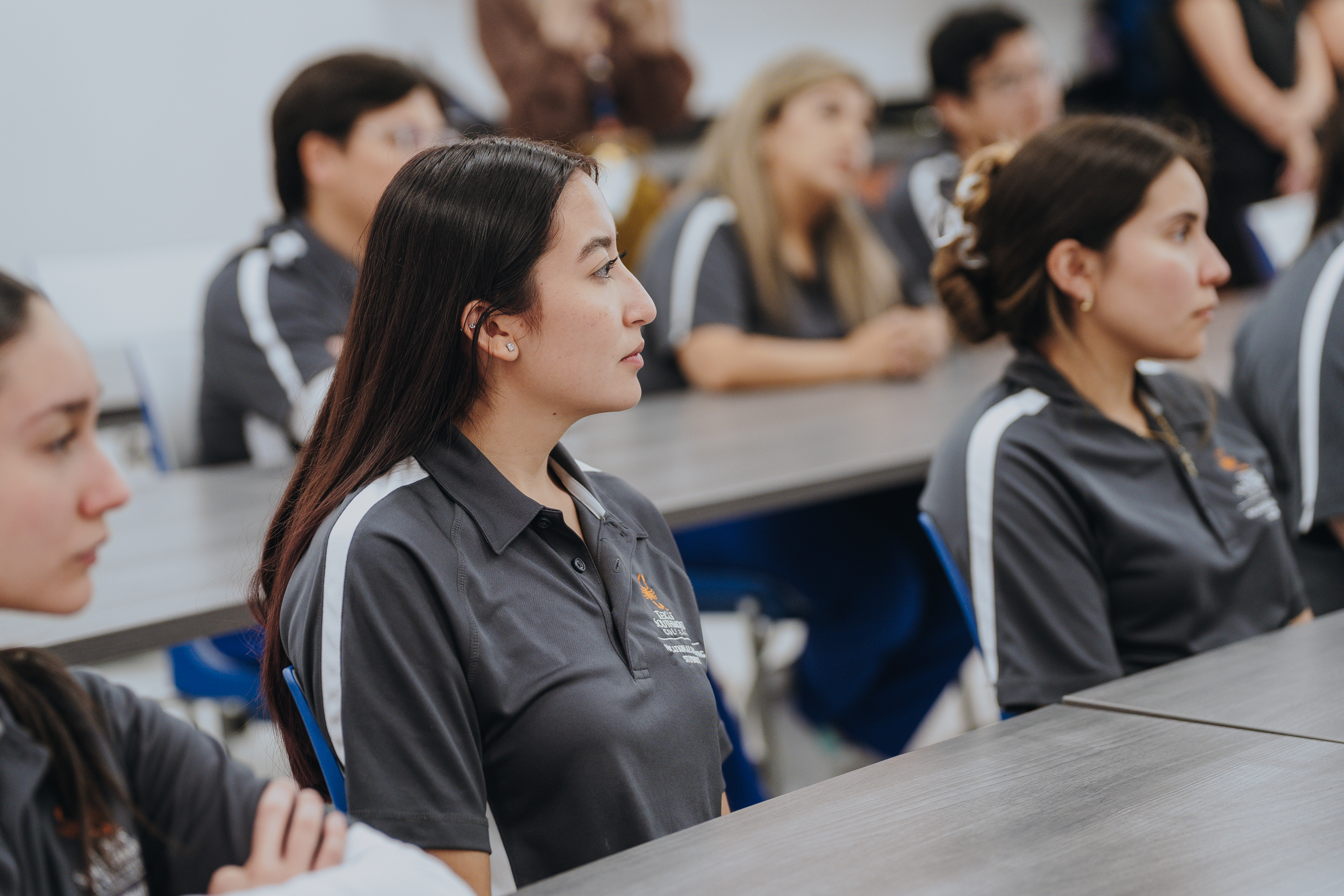
Licensed health care professionals and prospective students interested in the program can attend an information session from 5:30 to 7:30 p.m. Thursday, July 30, at the ITEC Center Art Gallery.
The session will introduce the training, answer questions, and connect prospective students with the instructional team and industry partners.